
Searching for fertility acupuncture near me often happens late at night, after another disappointing cycle, a difficult consult, or a long stretch of trying to stay hopeful. For many women and couples in Miami, Coral Gables, Pinecrest, Coconut Grove, and across South Florida, that search isn’t casual. It usually comes with questions that feel urgent and personal. Is acupuncture useful? When should treatment start? How does it fit with fertility testing, IUI, or IVF?
A local guide matters because fertility acupuncture isn’t one-size-fits-all care. The right plan depends on cycle patterns, diagnosis, age, treatment timeline, stress load, sleep, digestion, and whether conception is being attempted naturally or with reproductive medicine. Dr. Vivian Shou-Litman, a Florida-licensed acupuncture physician and NCCAOM Diplomate of Oriental Medicine, provides fertility-focused care in Miami with that bigger picture in mind.
Finding Hope with Fertility Acupuncture in Miami
Typing fertility acupuncture near me into a search bar usually means someone is trying to make a careful decision while under pressure. Maybe periods are irregular. Maybe ovulation feels unpredictable. Maybe IVF is approaching, and every appointment already feels like a lot. In Miami, where patients often move between OB-GYNs, reproductive endocrinologists, lab work, imaging, and medication schedules, clarity becomes part of care.
Fertility acupuncture can offer that clarity when it’s handled with realism. It isn’t a replacement for medical fertility evaluation, and it shouldn’t be presented that way. It’s a complementary therapy used to support the body, calm the nervous system, and create a more coordinated plan around conception efforts.
For Miami patients, local context matters. Some are trying to conceive naturally while balancing demanding work schedules and long commutes. Others are coordinating around monitoring visits, retrieval dates, or transfer windows with South Florida fertility clinics. Acupuncture needs to fit that real life, not add more chaos to it.
A useful first step is to look for a practitioner who works specifically in women’s health and reproductive support, not someone offering fertility care as a small add-on to general wellness services. That usually leads to better treatment timing, more focused intake questions, and a plan that makes sense, whether the next step is natural conception, IUI, or IVF.
What is Fertility Acupuncture and How May It Help
A patient in Miami often arrives after weeks of tracking apps, lab results, and unanswered questions. She wants to know what acupuncture does, whether it fits with her fertility doctor’s plan, and whether it is worth adding one more appointment to an already full schedule.
Fertility acupuncture is a focused use of Traditional Chinese Medicine for reproductive health. In the clinic, that means we look at menstrual patterns, ovulation signs, sleep, digestion, pain, stress response, and the way symptoms change across the cycle. The goal is to support the conditions that matter for conception, including cycle regularity, pelvic circulation, recovery from stress, and overall physiologic steadiness.

Common reasons patients seek treatment
Patients usually come in with a specific problem to solve, not an abstract interest in Qi.
- Irregular cycles: treatment is often used to support more consistent cycle patterns and clearer ovulation timing.
- PCOS or hormone-related symptoms: acupuncture may be part of a broader plan that also includes nutrition, exercise, and medical care.
- Endometriosis or painful periods: care often focuses on pain, pelvic tension, and cycle quality.
- Unexplained infertility: a whole-body review can help identify patterns that deserve closer attention.
- IVF or IUI preparation: many patients want support that works alongside their reproductive endocrinologist’s protocol.
Research on fertility acupuncture is mixed, which is important to note clearly. Some studies suggest benefit for stress reduction, symptom management, and treatment support around assisted reproduction, while others show smaller or less consistent effects on pregnancy rates. In practice, the value often comes from individualized timing, better symptom control, and a treatment plan that matches the patient’s diagnosis instead of a one-size-fits-all protocol. Patients preparing for assisted reproduction can also review how acupuncture is used alongside IVF treatment as part of a coordinated plan.
How the support is usually understood
From a modern clinical perspective, three mechanisms come up again and again.
One is nervous system regulation. Many fertility patients in South Florida are balancing monitoring visits, long workdays, traffic, poor sleep, and the emotional strain of waiting. If the body stays in a constant stress response, that can affect sleep quality, digestion, muscle tension, and how a patient feels throughout the entire cycle. Acupuncture often helps settle that pattern.
Another is blood flow and tissue support. Fertility acupuncturists pay attention to menstrual blood quality, cramping, pelvic pain, cycle length, and signs that may reflect circulation issues. That does not replace ultrasound, lab work, or a physician’s evaluation. It adds another layer of observation that can be useful, especially for patients with painful periods, a history of irregular cycles, or repeated treatment fatigue.
The third benefit is structure. Regular visits create a place to track symptoms, response to medications, and changes from month to month. That matters in Miami, where patients often coordinate care between acupuncture visits and appointments at local fertility clinics. A good plan should reduce confusion, not add to it.
I tell patients this often. Fertility acupuncture is most helpful when it is timed well and adjusted as the case changes. A random session can feel relaxing, but a cycle-based plan is usually what gives the treatment real clinical value.

Acupuncture for Natural Conception vs IVF and IUI Support
A Miami patient trying on her own often needs one kind of plan. A patient with injection dates, monitoring at a South Florida fertility clinic, and a transfer on the calendar needs another. Fertility acupuncture works best when the schedule matches the treatment path.
Natural conception support
For natural conception, we usually build treatment around the menstrual cycle and the couple’s timeline, not around random weekly visits. The goal is to support each phase of the cycle in a way that makes clinical sense. That may mean one approach during the follicular phase, another near ovulation, and another after ovulation if the luteal phase tends to be short, symptomatic, or inconsistent.
In practice, many fertility acupuncturists recommend starting before the month a patient hopes to conceive, because the body does not change overnight. Patients with irregular cycles, painful periods, PCOS patterns, recent pregnancy loss, or long-term stress often benefit from giving the process some lead time rather than waiting until the last minute.
A natural conception plan often includes:
- Cycle-based scheduling: Visits timed to follicular development, ovulation, and luteal support.
- Symptom tracking: Changes in bleeding, cramping, cervical mucus, basal body temperature, and PMS can guide adjustments.
- Coordination with testing: Lab work, semen analysis, ultrasound findings, and ovulation data help shape realistic goals.
- Lifestyle correction: Lifestyle factors such as heat exposure, sleep, alcohol use, smoking, medications, and stress can be important parts of a male fertility plan and should be discussed alongside medical evaluation.
There is a trade-off here. Natural conception support allows more flexibility, but progress can be slower to judge because there is no single procedure date organizing the month. Because sperm development takes roughly two to three months, changes in semen parameters are usually evaluated over a longer timeline rather than after one or two visits. That is why consistency matters. One well-timed month of care can help, but several cycles often give a clearer picture of response.
IVF and IUI support
IVF and IUI require a more structured approach. The acupuncture plan has to fit the medical calendar used by the fertility clinic, especially in Miami where patients may be commuting between early morning monitoring, work, and afternoon appointments. In this setting, timing matters as much as technique.
With IUI, treatment is often arranged around the stimulation phase, the insemination window, and the time after ovulation. With IVF, care may be adjusted for suppression, stimulation, retrieval recovery, and transfer preparation. Frozen embryo transfer cycles need their own plan because a medicated transfer cycle is different from a natural or modified natural transfer cycle.
Patients often feel less anxious once the process is explained clearly. Each visit has a purpose. Before retrieval, the focus may be different from the days after retrieval. Transfer support is different again. A good plan should work alongside your reproductive endocrinologist’s protocol and should never conflict with medication timing or clinic instructions.
Patients who want a clearer picture of that scheduling can review this IVF acupuncture support plan.
I tell Miami patients this often. Acupuncture can be integrated smoothly with assisted reproduction, but it should be specific to the stage of treatment, the diagnosis, and the reality of local clinic logistics. That is what turns it from an extra appointment into useful support.
What to Expect at Your Longevity Acupuncture Visit
The first fertility acupuncture visit often matters as much emotionally as it does clinically. Many patients arrive carrying months or years of tension. Some have already heard conflicting advice. Others are worried they’ve started too late. A good first appointment should lower confusion, not increase it.
The first conversation
A thoughtful intake usually begins with a detailed review of menstrual history, fertility goals, diagnosis, lab patterns, symptoms, medications, prior pregnancies, sleep, digestion, stress, and current treatment timeline. If IVF or IUI is involved, medication dates and upcoming milestones help shape the plan.
This is also where expectations get clearer. Acupuncture may support the process, but it doesn’t override age, ovarian reserve findings, tubal factors, sperm issues, or embryo quality concerns. Honest care includes that reality.
Patients who want to prepare ahead of time can use the fertility intake form to organize health information before the first visit.
The treatment itself
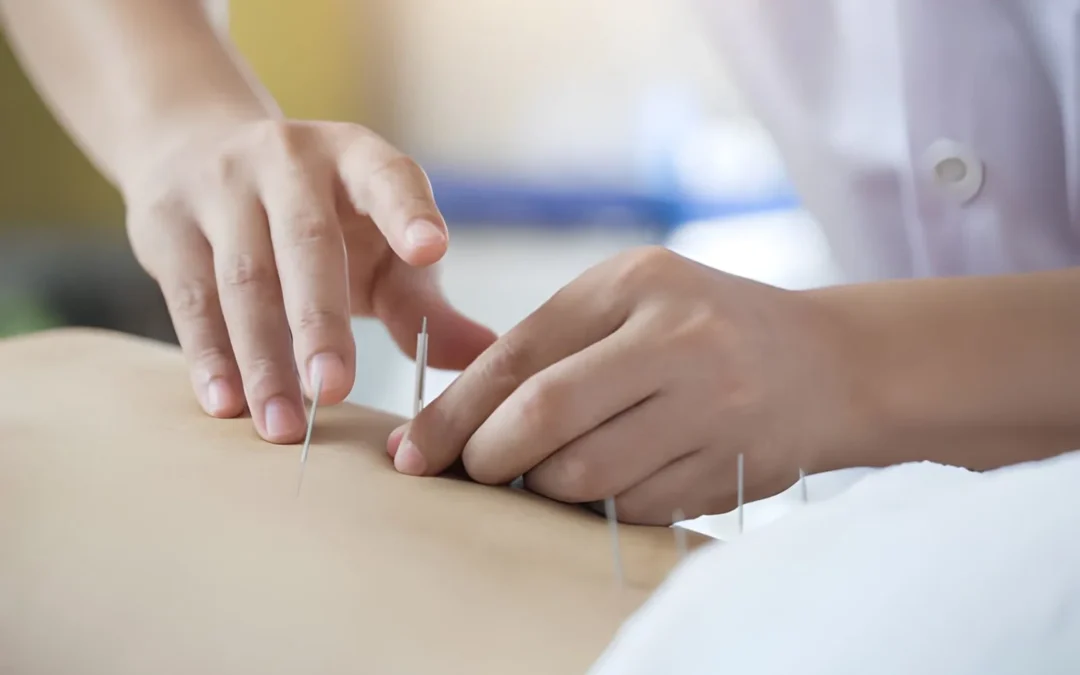
During treatment, very fine sterile needles are placed at selected points based on the patient’s presentation and fertility stage. Most patients don’t describe the sensation as painful. They’re more likely to notice brief pressure, warmth, heaviness, tingling, or a deep sense of relaxation once the treatment settles.
Sessions are usually quiet. Many patients rest soundly. Some fall asleep. That calm response isn’t incidental. It’s part of why acupuncture is often used to support the body during fertility care.
A useful treatment plan also considers timing. As noted earlier in the article, clinic-level protocols commonly recommend starting about 3 months before conception attempts or ART cycles because that window allows time for cycle regulation, endocrine support, and stress reduction before the next ovulatory cohort matures. In practice, that means treatment tends to work best when it’s started with enough runway to observe changes instead of rushing at the last minute.
Acupuncture Support for Male Factor Infertility
A Miami couple often arrives after months of tracking ovulation, adjusting supplements, and trying to time everything perfectly. Then the semen analysis comes back with concerns, and the question changes fast. Can anything still be done, and how long will it take?
Male factor is part of infertility far more often than many couples expect, so we address it early. In practice, that matters because sperm development takes time. Changes in lifestyle, medical treatment, or supportive care are not usually visible in a week or two. If a man starts care right before an IUI or IVF cycle, the goal is usually support during treatment, not a dramatic short-term shift in semen parameters.
Why male fertility deserves direct attention
A semen analysis gives useful information, but it does not tell the whole story. We also look at sleep quality, work stress, frequent heat exposure, exercise extremes, alcohol use, recovery, digestion, and overall energy. In Traditional Chinese Medicine, those patterns help shape the treatment plan because two men can have similar lab findings and very different clinical pictures.
This is especially relevant in South Florida. Miami patients commonly deal with long commutes, high work stress, irregular meals, poor sleep, and frequent heat exposure from outdoor activity, hot environments, or laptops used for hours at a time. Those details are not small. They help explain why a realistic fertility plan for men has to include habits, timing, and medical context.
How treatment is usually approached
Acupuncture for male factor infertility is supportive care. It is not a replacement for a urology workup, hormone testing when indicated, or treatment of a varicocele, infection, or significant endocrine issue. The best results usually come from using both systems well. A reproductive urologist or fertility clinic identifies the diagnosis and treatment options. Acupuncture supports the patient through the process and helps build healthier conditions over time.
In our clinic, we usually coordinate the plan around what the couple is doing next. For a Miami patient working with a South Florida fertility clinic, that may mean starting several weeks to months before a retrieval, transfer, or timed conception effort. If the couple is already on a deadline, we explain the trade-off clearly. Shorter timelines can still support stress regulation, sleep, and overall well-being, but they leave less room to observe sperm-related changes.
Treatment plans often include:
- Consistent sessions over time: Male factor cases usually respond better to a series of treatments than to occasional visits.
- Lifestyle correction: Reducing heat exposure, improving sleep, and addressing high stress can matter as much as the needles.
- Medical coordination: Abnormal semen parameters should be taken seriously and reviewed with the appropriate physician.
- Couple-based planning: Fertility care works better when both partners are assessed, instead of placing all the pressure on one person.
Patients who want a closer look at this topic can review our page on acupuncture support for male infertility.
Male fertility should be worked up with the same care and urgency as ovulation, hormone balance, or embryo planning. That approach gives couples a clearer timeline, fewer false expectations, and a better chance of using each month well.
Choosing the Right Fertility Acupuncturist in South Florida
You may be sitting in your car after an appointment at a Miami fertility clinic, searching for fertility acupuncture near me and wondering how to tell who understands this process. That question matters. Fertility acupuncture works best when the practitioner can read your cycle, understand your treatment calendar, and communicate clearly with the kind of medical team many South Florida patients already have in place.
What credentials should include
In Florida, start with licensure. Then go a step further and ask whether the acupuncturist regularly treats fertility patients, including those preparing for IUI, IVF retrievals, and embryo transfer cycles. A general acupuncture practice may still offer good care, but fertility work has its own timing, language, and clinical decisions.
A useful checklist includes:
- Florida licensure: Confirm the practitioner is licensed to practice acupuncture in the state.
- NCCAOM certification: This reflects national board-standard training for many licensed acupuncturists.
- Fertility focus: Ask what portion of the practice is devoted to reproductive health.
- ART familiarity: The practitioner should understand cycle monitoring, trigger shots, transfer timing, and how medications can affect symptoms and scheduling.
- Physician coordination: Ask whether they are comfortable working alongside reproductive endocrinologists and OB-GYNs.
What thoughtful fertility care looks like
Good fertility acupuncture should be organized, medically aware, and calm. Research on acupuncture in fertility care is mixed on hard outcomes across different studies, but one consistent reason patients seek it out is support with stress, sleep, and the emotional strain of treatment. That is useful, especially during IVF and IUI. It should not be oversold.
In practice, we tell Miami patients to look for someone who can explain trade-offs clearly. If you are starting care two weeks before a transfer, the goal is different from starting three months before trying to conceive naturally. A careful practitioner will say that directly instead of promising the same result for every case.
A strong practitioner usually does the following:
| What to look for | Why it matters |
| Fertility-specific intake | It connects treatment to your cycle history, labs, symptoms, and actual treatment plan |
| Clear scope of care | It shows the practitioner understands acupuncture supports fertility care but does not replace medical evaluation |
| Individualized scheduling | It avoids giving the same visit frequency to a natural conception case and an IVF transfer case |
| Comfortable clinic communication | It helps anxious patients ask better questions and stay consistent with care |
| Respect for local clinic timelines | It matters in South Florida, where patients are often balancing monitoring visits, traffic, work, and short treatment windows |
One local option is Longevity Acupuncture, a Miami practice focused on fertility, IVF support, pregnancy care, and women’s health under Dr. Vivian Shou-Litman’s care.
A final point matters. If a practitioner dismisses semen analysis, hormone testing, imaging, or the fertility doctor’s recommendations, keep looking. The right fit should help you feel more informed and more supported, not pulled away from the medical care already guiding your next step.
Common Questions About Fertility Acupuncture
Does fertility acupuncture hurt?
Most patients say it’s much gentler than they expected. The needles are very fine, and sensations are usually brief. A patient may feel warmth, tingling, heaviness, or deep relaxation during the session.
How often do treatments happen?
That depends on the goal. Natural conception care is often scheduled around the menstrual cycle. IVF and IUI support are usually timed around treatment milestones. A plan should match the actual fertility timeline rather than follow a generic wellness schedule.
How long before trying to conceive should treatment begin?
Earlier is usually better, especially when cycles are irregular or IVF is already being discussed. Fertility-focused protocols often use a multi-month window so the body has time to respond before the next major attempt.
Can acupuncture replace a fertility doctor?
No. Acupuncture is complementary care. It may support regulation, stress reduction, and overall reproductive wellness, but it doesn’t replace medical evaluation, imaging, semen analysis, or treatment from a reproductive endocrinologist.
Is fertility acupuncture only for women?
No. Men may also use acupuncture as supportive care, especially when stress, timing, or semen parameters are part of the fertility picture. In many cases, evaluating both partners is the most efficient approach.
For patients in Miami who want a clearer next step, a consultation can help sort through timing, goals, and whether acupuncture fits the current stage of care. Support is available, and the right plan can make the search for fertility acupuncture near me feel far less overwhelming.
If conception has felt uncertain, Longevity Acupuncture offers a gentle place to ask questions and discuss whether fertility-focused acupuncture may fit the next step in care. Patients in Miami and surrounding South Florida communities can request a consultation with Dr. Vivian Shou-Litman to talk through natural conception support, IVF or IUI timing, and whole-body care that complements medical treatment.